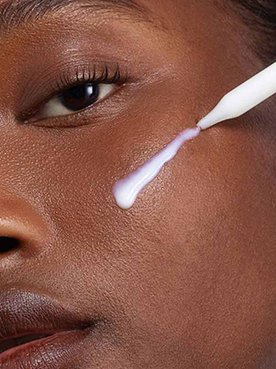
Double Cleansing Explained: The Smarter Way to Clean Your Skin
Remove buildup while keeping your skin balanced and healthy


Cleansing may seem like the simplest step in a skincare routine, yet it plays the most crucial role in how your skin looks and behaves over time. With makeup, sunscreen, pollution, and excess oil building up on the skin daily, a single cleanse often isn’t enough to truly clear the surface. This is where double cleansing comes in. Designed to cleanse more effectively without compromising the skin barrier, this method helps reset your skin at the end of the day, leaving it fresh, balanced, and better prepared for the rest of your routine.
Double cleansing is a smart, two-step way to remove makeup, sunscreen, oil, and pollution without stripping the skin. This guide covers everything you need to know about double cleansing, its benefits, common mistakes to avoid, and how to use it.
Table Of Content
Double cleansing is a two-step face cleansing technique that focuses on thoroughly removing makeup, sunscreen, excess oil, and impurities from the skin. As the name suggests, double cleansing involves cleansing your face twice, using two different types of cleansers. Think of it as a layered approach to cleansing.
This method ensures skin is deeply clean without being over-stripped. In simple terms, the double cleansing meaning lies in cleansing smarter, not harsher, by respecting how different impurities interact with your skin.
The modern skincare routine includes products like sunscreen, long-wear makeup, primers, and setting sprays that a single cleanser often cannot remove completely. This is where double cleansing becomes essential.
Oil-based products dissolve oil-based impurities more effectively, while water-based cleansers remove sweat and dirt. Using only one cleanser can leave residue behind, leading to clogged pores, dullness, and breakouts over time.
The double cleansing method helps:
This approach is especially useful in humid climates, polluted environments, or after wearing heavy makeup. Read more our guide on Double Cleansing: True vs False for more insights.
Begin on dry skin using an oil cleanser, cleansing balm, or micellar oil. Massage it gently to dissolve makeup, sunscreen, and excess sebum. Add a little water to emulsify, then rinse thoroughly.
This step answers a common question about how to do double cleanse correctly by ensuring oil-based residue is removed without friction.
Apply a gentle hyaluronic acid hydrating gel cleanser to damp skin. This second cleanse removes sweat, dirt, and remaining impurities while refreshing the skin. Rinse well and pat dry.
Together, these two steps complete the double cleansing method effectively and safely.
Pro tip: Following it up with a hydrating, nourishing moisturizer and UV Defender serum protector sunscreen.
Double cleansing is beneficial for a wide range of skin types and lifestyles.
Pro tip: Double cleansing for oily skin might sound counterintuitive, but it is especially helpful as it removes excess oil without triggering overproduction.
While effective, double cleansing is not mandatory for everyone.
In such cases, a single gentle cleanser may be sufficient, especially if your skin feels balanced and clear.
The best time to double cleanse is in the evening. This removes the day’s buildup of makeup, sunscreen, oil, and environmental impurities.
In terms of frequency, double cleansing once a day (at night) is enough. Morning cleansing can remain a single-step routine. Understanding when to double cleanse helps prevent over-cleansing and irritation.
One common myth is that double cleansing for combination skin causes dryness. In reality, when done correctly, it supports skin balance rather than stripping it.
Mistakes to avoid include:
Avoiding these mistakes ensures the benefits of double cleansing are experienced without unwanted side effects.
Those with busy routines may prefer single cleansing, but for long-term skin clarity, double cleansing often proves more effective.
With consistent practice, the benefits of double cleansing become more noticeable over time. These include:
Pro tip: For specific needs, like double cleansing for dry skin, you can use nourishing oils and creamy cleansers.
Double cleansing isn’t about extra steps; it’s about smarter cleansing. By melting away oil-based impurities first and finishing with a gentle cleanse, it leaves skin truly clean without stripping it. The result? Clearer pores, smoother texture, and skincare that works better from the very first step.