Uses of Glycolic Acid: The Complete Guide to Brighter, Smoother Skin
One ingredient, countless benefits
One ingredient, countless benefits


Glycolic acid has become one of the most trusted skincare ingredients for achieving clearer, brighter, and more even-toned skin, and for good reason. Whether you’re dealing with dullness, pigmentation, rough texture, or early signs of ageing, this powerful AHA can transform your skincare routine when used correctly. In this guide, we break down the uses of glycolic acid, explain the glycolic acid benefits, and help you understand exactly how to incorporate it safely and effectively into your regime.
Glycolic acid is the ultimate multitasker for brighter, smoother, and clearer skin. This blog explores how this AHA delivers visible results when used right. Discover its key benefits, best uses, product recommendations and expert tips to safely upgrade your skincare routine.
Table Of Content
Glycolic acid is known for its small molecular size, which allows it to penetrate deeply into the skin and deliver visible results. Here are the top glycolic acid benefits for skin you should know:
One of the primary uses of glycolic acid is gentle chemical exfoliation. It dissolves the bonds that hold dead skin cells together, revealing fresh, smooth, and glowing skin underneath.
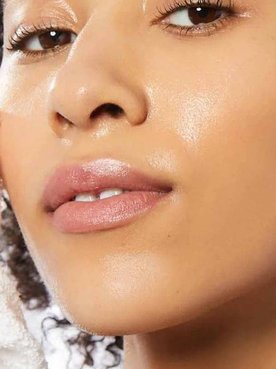
Regular use helps improve radiance, making it a popular choice for anyone who wants a naturally bright glow. Among the many glycolic acid benefits, its brightening effect is one of the most sought-after.
Glycolic acid penetrates deep into clogged pores and clears out oil, dirt, and dead skin buildup. This helps reduce breakouts and prevents future congestion, making it a great pick for oily or acne-prone skin.
If you’re struggling with dark spots, acne scars, or uneven patches, glycolic acid can help. Gentle exfoliation boosts cell turnover, allowing marks to fade faster. This is one of the most effective glycolic acid benefits for skin when used consistently.
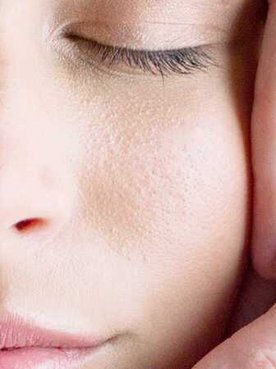
Roughness, bumps, and dry patches can be visibly reduced with this AHA. It softens the surface of the skin and improves overall texture, making makeup application smoother as well.
As a collagen-stimulating ingredient, glycolic acid helps reduce the appearance of fine lines and early signs of aging. This makes it suitable not only for young skin but also for mature skin seeking rejuvenation.
One underrated benefit is its ability to help your other skincare products work better. By clearing away dead skin, it allows serums and moisturizers to penetrate more effectively.
Contrary to the belief that acids dry out the skin, glycolic acid actually attracts water molecules, providing a mild hydrating effect, especially when used in a glycolic acid cream.
Thanks to its pore-clearing action, glycolic acid can help reduce whiteheads, blackheads, and small acne bumps over time.
Glycolic acid helps minimize whiteheads, blackheads, and small acne bumps, read more to discover how Glycolic Acid Effective For Acne Spots and how it transforms your skin.
There are different uses of glycolic acid depending on the format you choose. From cleansers to peels, each formulation serves a different purpose and concentration level.
Below is a clear guide to help you use it safely and effectively:
A low-strength glycolic acid face wash provides gentle exfoliation. It is ideal for:
It helps maintain smooth skin and supports clarity without irritation.
Perfect for beginners, glycolic toners usually come in the 3-5% range.
Benefits include:
This is one of the easiest glycolic acid uses for those new to AHAs.
If you’re looking for deeper glycolic serum benefits, a higher concentration will give you more visible results.
Glycolic Bright Dark Spot Brightening Serum targets pigmentation, texture irregularities, dullness, and early ageing. Because serums are leave-on treatments, they offer some of the strongest glycolic acid benefits in a routine.
Peels contain high concentrations and are meant only for professional use.
Benefits include:
Never try high-percentage peels at home, as misuse may lead to irritation or burns.
A tiny amount of glycolic acid serum or glycolic acid cream can be dabbed on dark spots to fade them faster. It works well on stubborn post-acne marks that take long to lighten.
If you already use a gentle daily routine, replace your physical scrub with a glycolic product once a week.
This prevents over-exfoliation and ensures your skin barrier stays healthy.
Because there are several glycolic acid cream uses, serums, and cleansers available, your choice should depend on:
For beginners, start low and slow. For advanced users, gradually move up to stronger leave-on formulas.
To make the most of your glycolic acid benefits for skin, follow these essential safety guidelines:
Since glycolic acid exfoliates the top layer of skin, your skin becomes more sensitive to the sun. SPF is non-negotiable.
Avoid combining glycolic acid with:
This prevents irritation, redness, or dryness.
Begin with 2-3 times a week and increase frequency only if your skin tolerates it well.
Pair glycolic acid with a hydrating moisturizer or hyaluronic acid serum to maintain balance.
Glycolic acid is a simple yet powerful addition to any skincare routine. With consistent use, it helps you achieve clearer, brighter, smoother skin. Just start slow, choose the right concentration, and prioritize hydration and SPF. Ready to glow? Make glycolic acid products a part of your regular skincare routine right away to flaunt healthy skin all day, every day. Need assistance with your skincare routine? Navigate to the L'Oréal Paris Skin Genius tool and get a customized skincare routine after analyzing your skin like a pro.