What is Aging?
Aging is the gradual decline of the body’s cellular functions over time, leading to visible and internal changes as we grow older.
Causes & Signs of Aging
Signs of Aging in face are influenced by both internal genetics and external lifestyle factors, often first visible through changes in the skin.
Main Causes of Ageing:
- Genetics: Some signs of aging in face and facial features are inherited through your DNA.
- Oxidative Stress: Free radicals damage cells over time, accelerating aging.
- Lifestyle Habits: Smoking, alcohol, poor sleep, and low-antioxidant diets speed up aging.
- Environmental Exposure: UV rays, pollution, and blue light cause premature skin aging.
- Hormonal Changes: Shifts during menopause or andropause can intensify visible signs of aging.
Most Common Signs of Aging in the Face:
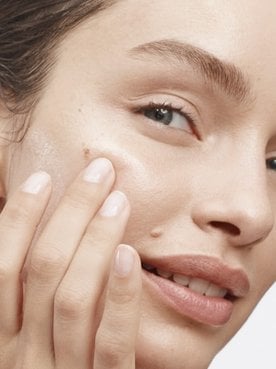
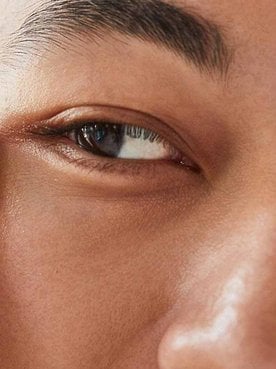
- Signs of aging in face, such as Fine lines and wrinkles
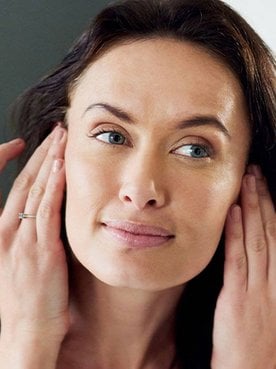
- Sagging or loss of skin firmness
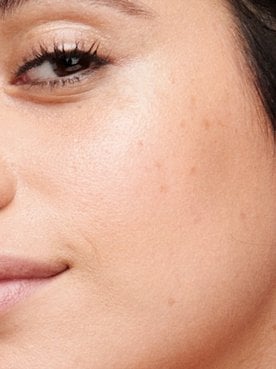
- Uneven skin tone and dark spots
- Dryness and dull complexion
- Thinning lips and hollow cheeks
Types of Aging
- Chronological Aging: Natural signs of aging in face based on your actual age.
- Biological Aging: Aging is influenced by lifestyle, health, and fitness.
- Photoaging: Premature aging due to sun exposure and UV damage.
How to Stop Aging
- Cleanser: Use a hydrating, gentle cleanser with glycerin or ceramides to maintain moisture.
- Moisturizer: Choose one with peptides or hyaluronic acid to lock in hydration.
- Anti-Wrinkle Serum: Apply a targeted serum like Revitalift 1.5% HA to reduce fine lines.
- Eye Serum: Use caffeine- and HA-based formulas to de-puff and smooth under eyes.
- Micro Essence: Boost glow with lightweight formulas rich in niacinamide or fermented actives.
- Day Cream: Protect skin daily with a moisturizer that includes SPF.
- Night Cream: Repair overnight with retinol, antioxidants, and peptides.
- Sheet Mask: Use weekly for an intense hydration and radiance boost.
What is Aging?
Simply put, aging refers to the natural process of change that occurs in the body over time. But what is aging beyond just wrinkles and grey hair? It’s a complex biological phenomenon involving the gradual decline of physiological functions, making the body more susceptible to diseases, slower recovery, and reduced resilience.
How do you stop aging? While you can’t halt time, understanding the What is ageing process. helps you slow it down. It begins at the cellular level, cells divide more slowly, telomeres shorten, DNA damage builds up, and natural repair mechanisms weaken over time. This internal decline leads to both visible and invisible signs of aging. So, how do you stop aging effectively? Focus on proactive habits like sun protection, a nutrient-rich diet, hydration, and science-backed skincare to delay the effects.
Understanding what aging is is key to unlocking prevention strategies and personalized skincare or lifestyle changes to age healthily.
(Read our guide on The Best Anti-Ageing Skin Care Routine for Your 40s to dive deeper into expert tips and tailored solutions for your ageing skincare needs.)
Causes & Signs of Aging
There’s no single trigger that causes aging. Instead, what is aging is best understood as a mix of internal and external factors, from genetic predispositions and hormonal changes to lifestyle choices and environmental exposure.
Main Causes of Ageing
- Genetic Factors: Some aspects of what is ageing process are coded in your DNA.
- Oxidative Stress: Caused by free radicals, it leads to damage to cells and tissues over time.
- Lifestyle Habits: Smoking, alcohol, poor sleep, and a diet low in antioxidants accelerate the causes of ageing.
- Environmental Exposure: Sun exposure, pollution, and blue light from screens all contribute to premature aging.
- Hormonal Changes: Especially during menopause and andropause, hormonal shifts can speed up signs of aging.
Most Common Signs of Aging in the Face
- Fine lines and wrinkles
- Sagging skin and loss of firmness
- Uneven skin tone or age spots
- Dryness and dull complexion
- Thinning lips and hollow cheeks
These signs of aging in face are visible markers, but aging can also show through reduced energy, joint stiffness, and slower wound healing.
Types of Aging
Did you know that different types of aging affect the body in distinct ways?
- Chronological Aging: This is the natural progression of time, measured by your actual age.
- Biological Aging: This reflects how well or poorly your body is functioning relative to your age. Factors like fitness, stress levels, and health conditions influence it.
- Photoaging: Caused primarily by sun exposure, it includes pigmentation, wrinkles, and rough skin texture.
Understanding the types of aging allows you to tailor your anti-aging strategies more effectively.
(Check out our guide on Why You Should Add Glycolic Acid Products to Your Anti-Aging Skincare Routine for a deeper understanding of how this powerhouse ingredient can enhance your skin’s radiance and youthfulness.)
How to Stop Aging
A well-rounded skincare regimen can make a dramatic difference when it comes to managing signs of aging on face. Here are essential products that work synergistically to preserve your youthful glow:
1. Cleanser
Understanding what aging is begins with recognizing the role skincare plays in maintaining youthful skin. Start with a gentle, hydrating cleanser that doesn’t strip away natural oils, key in preserving skin barrier function as the what is aging process gradually reduces the skin’s ability to retain moisture. Look for ingredients like glycerin or ceramides to support this function effectively.
Recommended Product: L'Oréal Paris Revitalift Hyaluronic Acid Hydrating Gel Cleanser