Can You Use Glycolic Acid And Retinol Together?
What is Glycolic Acid and its Benefits?
An alpha-hydroxy acid (AHA) that exfoliates, unclogs pores, boosts cell turnover, and brightens skin. It helps improve dullness, acne spots, and uneven tone.
What is Retinol and its Benefits?
A vitamin A derivative that accelerates cell turnover, stimulates collagen, reduces wrinkles, and improves skin clarity. It also helps minimize acne and enlarged pores.
Can You Use Glycolic Acid and Retinol Together?
Yes, glycolic acid and retinol can be combined for stronger results. Together, they renew skin, brighten complexion, fight ageing signs, reduce acne, and enhance overall skincare effectiveness.
How to Combine Them in Your Routine?
- Start gradually with low concentrations
- Use on alternate nights to prevent irritation
- Hydrate well and always wear SPF
- Monitor skin reactions and adjust as needed
Who Should Use Both Together?
Best for those targeting ageing, pigmentation, uneven skin, or acne. People with sensitive or reactive skin should consult a professional before use.
What is Glycolic Acid?
Glycolic acid is an alpha-hydroxy acid (AHA) derived from sugarcane. It’s celebrated for its gentle exfoliating properties that help remove dead skin cells, unclog pores, and boost cell turnover. Regular use helps you achieve smoother, brighter, and more even-toned skin.
Benefits of Glycolic Acid
Who should use Glycolic Acid?
- People with dull or uneven skin tone
- Those experiencing mild acne or clogged pores
- Anyone looking to improve skin texture and radiance
What is Retinol?
“Can I use glycolic acid and retinol together?” Before you start digging for the answer, understand the advantages of these two powerhouse ingredients, glycolic acid and retinol.
Retinol is a vitamin A derivative from the retinoid family. It is a powerful anti-ageing ingredient that boosts cell turnover, stimulates collagen production, and improves overall skin texture. Using retinol for skin also helps unclog pores and combat acne, making it a versatile skincare staple.
Benefits of Retinol
- Reduces fine lines and wrinkles
- Improves skin texture and tone
- Boosts collagen formation
- Minimizes pores and prevents acne
- Enhances overall skin clarity
Who should use Retinol?
- Individuals targeting anti-ageing concerns
- Those with uneven skin texture or early signs of wrinkles
- People aiming to reduce acne and improve skin clarity
Can You Use Glycolic Acid And Retinol Together?
Girls! Pay attention, as we are about to tell you whether you can use glycolic acid and retinol together. The answer is YES! You can use retinol and glycolic acid together. Include this dynamic duo in your routine for the following benefits:
• Accelerated Skin Renewal
Glycolic acid exfoliates surface dead cells, while retinol works deeper to boost cell turnover. Together, they encourage fresher, healthier-looking skin when used in a balanced routine.
• Brighter, More Even Complexion
Glycolic acid helps fade dullness and pigmentation, while retinol reduces dark spots and uneven patches by renewing skin cells. Pairing them strategically leaves you with clear and radiant skin.
• Stronger Anti-Ageing Results
Retinol stimulates collagen and smooths fine lines, while glycolic acid softens rough texture. This combination works diligently to tackle early signs of ageing like wrinkles and uneven tone.
• Improved Acne and Congestion
Glycolic acid unclogs pores and removes buildup, while retinol minimizes breakouts and refines skin. When used in a balanced routine, the duo can support clearer, smoother skin.
• Maximized Skincare Performance
By keeping pores clear, glycolic acid prepares the skin surface, allowing retinol to work more effectively over time. The key is alternating their use to avoid irritation.
How to Combine Glycolic Acid And Retinol in Your Routine?
To use retinol and glycolic acid together, you must follow a balanced approach:
1. Start Gradually
To use glycolic acid with retinol, add one product to your routine at a time in the initial stages. Begin with a low concentration of either glycolic acid or retinol and see how your skin reacts before increasing the concentration. Once you notice your skin is reacting positively, gradually increase your concentration over time. Also, to check for any irritation or allergies, perform a patch test on a small area of the skin before applying the products on your entire face.
2. Use Glycolic Acid and Retinol Alternatively
To reduce the risk of irritation, use glycolic acid and retinol on different nights. This allows your skin to adjust to the two ingredients and protect the skin's barrier from getting overloaded. It is important to note that you should use both these ingredients only at night or in the evening, as they can make your skin sensitive to UV rays.
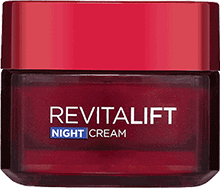
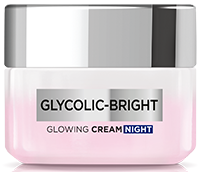
We recommend using the retinol night cream on one night and the glycolic acid-infused night cream on the other night. The retinol night cream helps reduce fine lines and wrinkles, boosts skin firmness, and leaves you with radiant-looking skin the next morning. The glycolic night cream combats dullness and gives you brighter-looking skin.
You can also use a product that combines the goodness of both glycolic acid and retinol, but in lesser concentration to ensure that it doesn’t irritate your skin.
3. Hydrate And Protect
Both glycolic acid and retinol could leave your skin more vulnerable to the sun. Hence, wearing broad-spectrum sunscreen with a high SPF during the day is essential for protecting your skin from the damaging UV radiation. So, don’t forget to wear sunscreen or an SPF moisturiser before stepping out, as it will help counteract any dryness induced by these ingredients.
4. Pay Attention to Your Skin
Keep an eye on how your skin reacts to the combination of glycolic acid and retinol. If you have persistent redness, severe dryness, or pain, your skin may be sensitive to the combination. In such instances, stop using the two and get personalised guidance from a professional.
Who Should Use Glycolic Acid And Retinol Together?
Combining glycolic acid and retinol is suitable for individuals aiming to address:
- Signs of aging, such as fine lines and wrinkles.
- Uneven skin tone or hyperpigmentation.
- Acne-prone skin.
However, individuals with sensitive skin or conditions like rosacea should consult a professional before incorporating both into their routine.
Can I use glycolic acid and retinol together? Yes, you can! With strategic use, the combined benefits of glycolic acid and retinol can help you attain a healthier, radiant complexion. Need help with your skincare routine? Take help from the L’Oréal Paris Skin Genius tool to get a customized skincare routine and take care of your skin like a pro. Browse through the wide range of skincare products to find out the best-in-class products infused with glycolic acid and retinol.
Read more about pairing glycolic acid with niacinamide and hyaluronic acid and retinol together to give your skin the TLC it deserves.