What is Glycolic Acid in Skincare
Glycolic acid is an exfoliating ingredient that removes dead skin cells to reveal smoother, brighter, and more even-toned skin.
Benefits of Using Glycolic Acid in Skincare
- Exfoliates dead skin cells for a soft, smooth texture
- Brightens dull skin and enhances natural glow
- Evens skin tone by fading dark spots and scars
- Reduces fine lines and wrinkles by boosting collagen
- Unclogs pores to prevent breakouts
- Improves absorption of skincare products
How to Use Glycolic Acid in Your Routine
- Cleanse First: Wash your face to remove dirt and oil before applying glycolic acid.
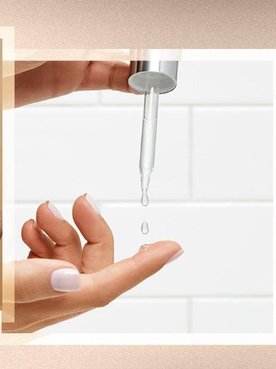
- Apply Evenly: Use a small amount of glycolic acid toner, serum, or cream, avoiding the eye area.
- Moisturize: Follow up with a hydrating moisturizer to prevent dryness.
- Sun Protection: Always apply sunscreen, as glycolic acid increases sun sensitivity.
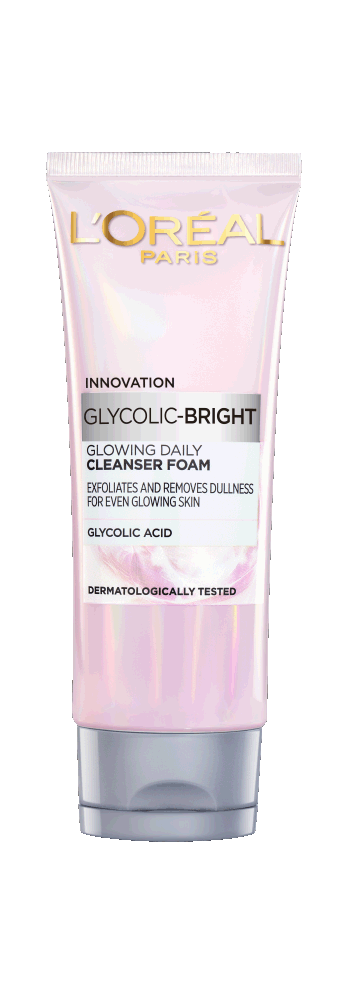
- Glycolic Acid Uses for Skin: Include it in toners, serums, or moisturizers for smoother skin.
Tips to Using Glycolic Acid
- Do a patch test before use.
- Avoid mixing with strong actives like retinol.
- Use at night to reduce sun sensitivity.
- Keep skin hydrated and apply sunscreen daily.
- Start 2-3 times a week, then increase gradually.
What is Glycolic Acid in Skincare?
Glycolic acid is an alpha-hydroxy acid (AHA) derived from sugarcane. It’s a water-soluble molecule known for its tiny size, which allows it to penetrate the skin effectively. This makes it one of the most powerful and widely used ingredients in exfoliating and resurfacing treatments.
Many people ask, ‘what is glycolic acid?’ in the context of skincare. Simply put, it’s a chemical exfoliant that helps remove dead skin cells, unclog pores, and stimulate cell turnover. Unlike physical scrubs, glycolic acid works on a molecular level, promoting smoother, brighter, and more even-toned skin.
Benefits of Using Glycolic Acid in Skincare
Using glycolic acid for skin offers several benefits, making it a favorite among dermatologists and skincare experts:
- Exfoliation: There are tons of glycolic acid uses for skin, such as exfoliation gently removes dead skin cells, leaving the skin soft and smooth.
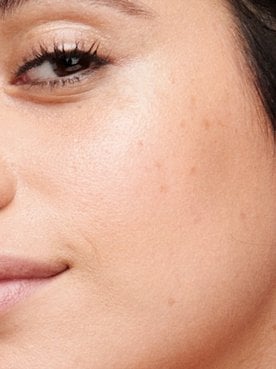
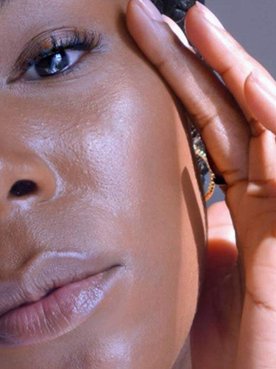
- Brightening: Regular use reduces dullness and enhances natural radiance.
- Even Skin Tone: Glycolic acid helps fade dark spots, hyperpigmentation, and acne scars.
- Anti-Aging: By stimulating collagen production, it reduces fine lines and wrinkles over time.
- Pore Care: It unclogs pores, reducing the likelihood of breakouts.
- Enhanced Absorption: Exfoliated skin better absorbs serums and moisturizers, boosting the effectiveness of your routine.
These glycolic acid benefits make it suitable for various skin types, especially for those looking to improve texture and achieve a brighter, youthful glow.
Read our guide on Is Glycolic Acid Effective For Acne Spots? Here’s Everything You Need To Know for more insights.
How to Use Glycolic Acid in Your Routine
Understanding how to use glycolic acid correctly is key to reaping its benefits without irritation. Here’s a step-by-step guide on glycolic acid uses for skin:
- Cleanse First: Wash your face thoroughly before applying glycolic acid products to remove dirt and oil.