The Ultimate Anti-Aging Skincare Routine for Healthy, Youthful-Looking Skin
Simple steps, targeted care, timeless-looking skin.
Simple steps, targeted care, timeless-looking skin.


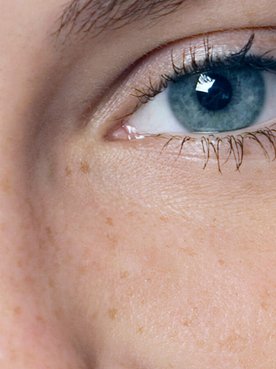
As skin naturally changes with age, it may gradually lose some of its firmness, elasticity, hydration, and radiance. Fine lines, wrinkles, dryness, dark spots, and uneven texture may also become more noticeable. While aging is a natural process, a consistent anti-ageing skincare routine can help maintain hydrated, healthy-looking skin and address visible signs of aging.
Aging skin can experience visible changes such as fine lines, dryness, uneven tone, and loss of firmness. A consistent anti-ageing skincare routine can help hydrate, protect, and address these concerns. Discover simple morning and night steps, key ingredients, and tips to build a routine suited to your skin.
Table of Content
Common signs of aging skin include:
These changes can vary from person to person and may also be influenced by factors such as sun exposure, lifestyle, and genetics.
The best approach to anti-ageing skincare is to choose products that address your individual concerns while keeping your routine consistent. Gentle cleansing, hydration, antioxidant care, targeted treatments, and daily sun protection can all play a role in a well-rounded routine.
Ingredients such as vitamin C, hyaluronic acid, niacinamide, retinol, and glycolic acid can be incorporated based on your skin’s needs and tolerance.
Start with a gentle, hydrating cleanser to remove excess oil, sweat, and impurities without leaving skin feeling tight or dry.
Apply a hyaluronic acid serum after cleansing. As an antioxidant, hyaluronic acid helps protect against environmental stressors while improving the appearance of dullness and uneven skin tone.
Follow with a moisturizer to replenish hydration and support the skin barrier. Hyaluronic acid is a useful ingredient for helping skin retain moisture and appear plumper.
The delicate eye area can show visible signs of aging. Apply an eye serum to provide targeted hydration and care for the appearance of fine lines and tired-looking skin.
Make sunscreen a non-negotiable part of your morning routine. Apply UV Defender Invisible Resist Sunscreen to help protect skin from UV exposure, which can contribute to visible premature aging.
Finish with a hydrating lip balm. During the day, choose one with SPF to help protect your lips from sun exposure while keeping them moisturized.
If you wear makeup or sunscreen, begin with an oil-based cleanser to dissolve buildup, followed by a water-based cleanser to remove remaining impurities.
Apply a hydrating essence after cleansing to add moisture and prepare your skin for the next steps. Ingredients such as niacinamide or panthenol can provide additional skincare benefits.
Choose a serum based on your primary concern. Retinol, peptides, and glycolic acid are commonly used in targeted routines for concerns such as fine lines, uneven texture, and dullness. Introduce active ingredients gradually and follow product directions.
Finish with a nourishing night cream to help replenish moisture and leave your skin feeling soft and comfortable overnight.
Aging is a natural process, but a consistent skincare routine can help your skin look healthy, hydrated, and radiant at every stage. Focus on gentle cleansing, targeted treatments, moisturization, and daily sun protection to create an anti-ageing skincare routine that works for your skin.
There is no fixed age to start. Begin with cleansing, moisturizing, and daily sunscreen, then add targeted treatments as specific concerns appear.
Yes. Hydrating ingredients can make fine lines look less noticeable, while targeted ingredients such as retinol and vitamin C can improve their appearance over time.
No skincare routine can stop natural aging, but cleansing, hydration, targeted treatments, and daily sun protection can help manage visible signs of aging. Keep your routine simple, introduce active ingredients gradually, and adapt it as your skin’s needs change.
The best skin care for aging skin depends on your skin type and concerns. Prioritize hydration, antioxidants, targeted ingredients such as retinol or glycolic acid, and daily sunscreen.
Yes, both can be part of your skincare routine when used appropriately. Vitamin C can be used in the morning and retinol at night, following individual product directions.