How to Get Rid Of Split Ends and Prevent Further Damage

Detect split ends early and stop damage in its tracks
March 13, 2026

Split ends are one of the most common signs of hair damage, yet they often go unnoticed until the hair starts looking rough, frizzy, or uneven. Knowing how to identify split ends early can help you take timely action and prevent further breakage. Before learning how to get rid of split ends, it is essential to understand what they look like and why they form.


In A Nutshell

Split ends are an early warning sign of hair damage, but the right care can keep them in check. This blog covers how to identify them, manage them without cutting and prevent further breakage.

Table Of Content

Can You Actually Get Rid of Split Ends Without Cutting Your Hair

Let’s address this question clearly and structurally.

  • Split ends cannot be permanently repaired once the hair fiber has split
  • Hair products can temporarily smooth, seal, or disguise split ends
  • Proper care can prevent existing split ends from worsening
  • A fool-proof solution to fully remove split ends is trimming

While you cannot reverse split ends entirely, the right routine can help reduce their appearance, minimize further damage, and extend the time between trims. To understand this better, read more about the causes of dry and damaged hair and how to address them.

Can You Actually Get Rid of Split Ends Without Cutting

If trimming is not immediately possible, the following step-by-step care routine can help manage damage and slow down the formation of new split ends.

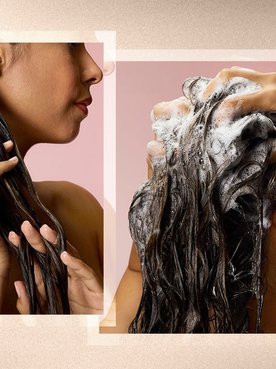
Step 1: Gentle Cleansing

Harsh shampoos can strip the hair of essential moisture, making ends more prone to splitting.

  • Use a mild Total Repair 5 Repairing Shampoo for gentle cleansing
  • Focus cleansing on the scalp rather than the ends
  • Avoid over-washing, especially if your hair is dry or chemically treated

This helps maintain the hair’s natural lipid barrier, which is crucial when trying to remove split ends progressively through damage control.

Step 2: Deep Conditioning Frequency

Conditioning is non-negotiable for damaged hair.

  • Use a Total Repair 5 Conditioner after every wash
  • Focus application from mid-lengths to ends
  • Leave the conditioner on for at least 2–3 minutes

Deep conditioning improves elasticity, reducing breakage that leads to split ends and supporting efforts to remove split ends over time.

Step 3: Hair Masks

Hair masks provide concentrated nourishment that daily conditioners cannot.

  • Use a Total Repair 5 Repairing Masque once a week
  • Look for ingredients like ceramides, oils, or proteins
  • Increase frequency to twice a week if hair is heavily damaged

Masks strengthen weak points in the hair shaft, making them essential for getting rid of split ends without aggressive trimming.

Pro tip: Apply a lightweight oil to damp or dry ends. Regular oil application smooths cuticles and prevents split ends from travelling further up the hair shaft.

Heat Protection Habits

Heat styling is one of the biggest contributors to split ends.

  • Always use a heat protectant before styling
  • Keep tools below the maximum temperature
  • Limit heat styling to a few times a week

Consistent heat protection plays a critical role if you are trying to remove split ends without cutting too frequently.

Immediate Fixes to Reduce the Appearance of Split Ends

While these methods do not permanently repair split ends, they offer quick cosmetic improvement.

  1. Leave-In Serums or Creams: Use repairing serums to temporarily seal split ends and make hair look smoother and shinier.
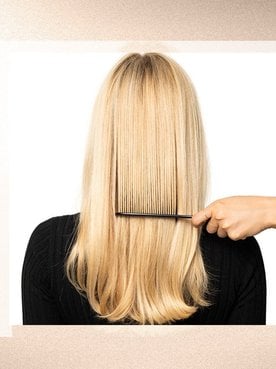
  2. Dusting Technique: A light dusting trim targets only the very tips of split ends without reducing length significantly.
  3. Cold Air Blow-Dry Finish: Using a cold shot after blow-drying helps flatten the cuticle, reducing the visibility of split ends.

These solutions are useful when you need an instant fix while working towards a long-term plan to remove split ends effectively.

How to Prevent Split Ends Long-Term

Preventing split ends is far easier than fixing them.

  • Use wide-tooth combs and detangle gently
  • Avoid aggressive towel drying
  • Switch to silk or satin pillowcases
  • Protect hair from the sun, pollution, and chlorine
  • Trim regularly to stop splits from spreading

Following a consistent routine significantly reduces the need to frequently remove split ends and keeps hair looking healthier for longer.

Split ends are a sign that your hair needs extra care, not harsh treatment. While trims remain essential, a well-rounded routine focused on hydration, protection, and gentle handling can dramatically improve hair health. If you are serious about learning how to get rid of split ends, consistency is key, because prevention will always work better than repair.



FAQS

1. How Can You Tell If You Have Split Ends?
You can check for split ends by examining the tips of your hair under natural light. Look for are Y-shaped or forked ends, white dots or frayed tips & uneven texture at the ends. Running your fingers along the ends can also reveal roughness, an early sign of splitting.
2. How Often Should You Trim to Remove Split Ends?
For most hair types, trimming every 8-12 weeks is ideal. If your hair is chemically treated or heat styled frequently, trimming every 6-8 weeks helps remove split ends before they worsen.
3. Can Hair Products Really Fix Split Ends?
Hair products cannot permanently fix split ends. They can temporarily smooth and seal damaged fibres, improving appearance. This is why trims remain essential when learning how to get rid of split ends effectively.
4. What Mistakes Make Split Ends Worse?
Common mistakes include skipping hair conditioner, overusing heat tools, brushing wet hair aggressively & ignoring regular trims. These habits weaken the hair structure and accelerate splitting.
5. Is It Possible to Get Rid of Split Ends Without Cutting?
You can improve how split ends look and prevent new ones, but you cannot fully remove split ends without cutting. A balanced routine helps extend time between trims and keeps damage under control.