How To Fix Damaged Hair: A Complete Repair & Prevention Guide

Fix hair damage at the source with the right repair routine.
March 20, 2026

Hair damage doesn’t occur overnight, and while it can’t be instantly reversed, it can be visibly improved with the right haircare approach. Heat styling, coloring, bleaching, and using the wrong hair care products can slowly weaken the hair fiber, leaving it dry, brittle, frizzy, and prone to breakage. While truly dead hair cannot be revived, the appearance, strength, softness, and manageability of damaged hair can be improved with the right approach.


In A Nutshell

Dead hair can’t be revived, but it can be visibly repaired and protected with the right care routine. This guide helps you understand the type of damage and explains how to fix damaged hair with the right products to stop it from returning, so your hair stays healthier for longer.

Table Of Content

Identify Your Hair Damage Type

Before you focus on damaged hair repair, it’s important to identify the types of damage you are dealing with. Here’s a quick guide on how to self-diagnose your hair damage quickly.

  • Heat Damage: Caused by frequent blow-drying, straightening, or curling. Heat-damaged hair feels dry, rough, and loses shine.
  • Chemical Damage: This type of damage occurs from coloring, bleaching, relaxing, or perming. Color-treated hair often becomes porous, weak, and prone to breakage.
  • Mechanical Damage: From aggressive brushing, tight hairstyles, towel-drying, or friction. It leads to split ends and breakage.
  • Product Buildup: When used incorrectly, heavy silicones, oils, or styling products coat the hair, making it dull, limp, or greasy.
  • Environmental Damage: UV exposure, pollution, saltwater, and chlorine can weaken the cuticle and fade color.

Step-by-Step Guide On How To Fix Damaged Hair

Wondering how to fix dead hair? Indulge in this step-by-step damage hair repair routine to improve its appearance and prevent further damage.

Step 1: Cleanse Gently

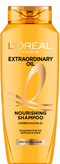
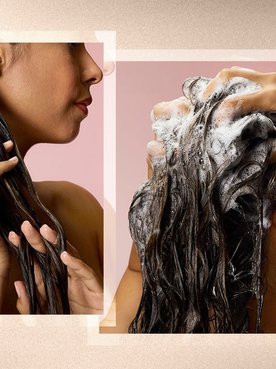
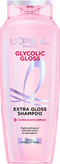
Use a dedicated damage hair repair shampoo that cleanses the scalp and hair while keeping it strong and resilient. These repairing shampoo packs powerful ingredients like Keratin XS technology that help combat the five signs of damaged hair: hair fall, dryness, roughness, dullness, and split ends without weighing it down. Those struggling with long damage hair, must use a hair lengths restoring shampoo for best results.

Step 2: Use Damage Repair Conditioner

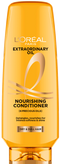
Conditioners smooth the cuticle and reduce friction, which is essential for damaged hair repair. Pick a damage-restoring conditioner to ensure faster repair. Focus on mid-lengths and ends. For improved and faster results, use a damage-reviver daily conditioner to restore dry and damaged hair health. Fix split ends and knots in long hair with a hair length detangling conditioner.

Step 3: Use Weekly Deep Treatments

How to fix damaged hair, you ask? Hair mask treatments help improve elasticity, softness, and strength. Indulge in a weekly treatment with a repairing masque and start noticing visible results in no time.

Step 4: Apply Serum

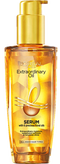
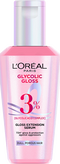
Use a repairing serum on mid-lengths and ends to smooth cuticles and prevent breakage.

What Ingredients Offer Damaged Hair Repair?

Wondering how to fix damaged hair? Try to use hair care products formulated with these ingredients to improve their condition and resilience:

  • Proteins: Temporarily strengthen weak areas and improve structure
  • Amino Acids: Help reinforce the hair fiber and support damaged hair repair
  • Ceramides: Restore the lipid barrier, reducing moisture loss
  • Panthenol (Vitamin B5): Improves elasticity, smoothness, and shine
  • Glycerin & Aloe vera: Hydrate and soften dry, dead hair
  • Bond-repair Molecules: Help reconnect weakened internal hair bonds for improved strength and reduced breakage

How To Stop Hair Damage from Coming Back?

Learning how to fix damaged hair isn’t enough. You must know the ways to reduce future breakage and support long-term hair health.

  • Over-cleansing worsens dryness and breakage. Washing 2 - 3 times per week is sufficient for most people with damaged hair
  • Use heat protection every time you style and lower the temperature when heat styling
  • Regular micro-trims remove split ends before they travel up the hair shaft
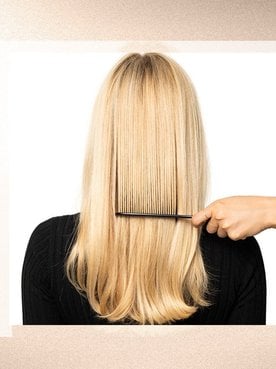
  • Detangle gently with a wide-tooth comb, starting from the ends
  • Sleep on silk or satin pillowcases to reduce friction
  • Protect hair from sun, chlorine, and saltwater exposure
  • Maintain scalp health with gentle cleansing and occasional exfoliation

We hope, this guide answers your queries about how to fix damaged hair or how to fix dead hair, what products or ingredients to use, and more. While you can’t truly revive dead hair, you can restore smoothness, strength, shine, and manageability and prevent further deterioration. Be consistent, use the right products, and follow mindful styling habits to ensure faster damaged hair repair and achieve healthy, strong hair.
FAQS

1. Can damaged hair be repaired?
Damaged hair cannot be permanently repaired, it can be visibly revived with dedicated treatments, protein masks, and nourishing conditioners. These tailored products help strengthen weak hair and improve smoothness, shine, and manageability over time.
2. How to repair damaged hair at home?
Use a deep-conditioning hair mask weekly, switch to a damage hair repair shampoo, and apply leave-in serums. Reduce heat styling and oil your scalp lightly to restore moisture balance and protect fragile hair fibers from further breakage.
3. Can you fix damaged hair without cutting?
You can improve the look and feel of damaged hair without cutting. Focus on sealing split ends with serums, using damage hair repair products, and limiting friction.
4. How to fix damaged bleached hair?
Repair bleached hair with intensive moisturizing hair masks, damage repair formulas, and regular protein treatments that rebuild weakened structure and prevent dryness, brittleness, and excessive breakage.
5. How can I repair my damaged hair after straightening?
Post-straightening damage hair repair involves indulging in weekly hydrating masks, targeted shampoos, heat-protectant serums, and minimal thermal styling to restore elasticity, prevent moisture loss, and reduce long-term cuticle damage effectively.