What Causes It & How to Keep Your Hair Moisturized Every Day
Hydrate dry hair the right way for smoother, shinier, healthier-looking results.
Hydrate dry hair the right way for smoother, shinier, healthier-looking results.


If your hair feels rough no matter how much conditioner you use, looks dull instead of shiny, or frizzes the moment you step outside, your hair is likely dehydrated. Dry hair isn't simply a cosmetic concern; it's often a sign that your hair has lost its ability to retain moisture.
The good news? Once you understand what causes dryness, it's much easier to reverse it. From choosing the right cleansing routine to using ingredients that lock in hydration, a few simple changes can help restore softer, smoother, and healthier-looking hair.
Dry hair is often caused by moisture loss from heat styling, chemical treatments, and everyday habits. This guide explains how to restore hydration with the right routine, products, and daily care tips. Learn simple ways to keep your hair moisturized, softer, smoother, and healthier looking every day.
Table Of Content
Wondering what causes dry hair? It happens when your hair loses moisture faster than it can retain it. A healthy hair cuticle acts like a protective shield, locking hydration inside each strand. When that outer layer becomes damaged, moisture escapes easily, leaving hair dry, rough, and difficult to manage.
Several everyday habits can weaken this protective barrier:
The more these factors accumulate, the harder it becomes to maintain naturally hydrated hair.
Dry hair isn't always obvious at first. Before severe damage appears, your hair usually shows subtle warning signs.
You may notice:
These are common indicators that your hair needs moisture, not necessarily more styling products. Restoring hydrated hair starts by recognizing these early signs.
If you're searching for how to moisturize dry hair, the answer isn't applying heavier products; it's following a routine that replaces lost moisture while preventing future dehydration.
The first step is choosing a moisturizing shampoo that removes dirt and buildup without leaving your hair squeaky clean. Over-cleansing removes natural oils that help protect the hair fiber. A hydrating shampoo with moisture-binding ingredients cleanses while preserving softness.
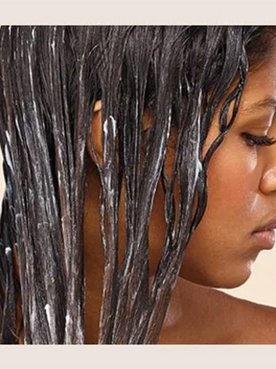
Skipping conditioners is one of the fastest ways to make dry hair worse. Use Hyaluron Moisture Conditioner to smooth the cuticle, reduce moisture loss, improve detangling, and leave hair noticeably softer. If you're learning how to moisturize dry hair, this is a step you shouldn't skip.
Daily conditioners provide surface hydration, but dry hair often needs something more intensive. A deep-conditioning hair mask once or twice a week delivers concentrated moisture where your hair needs it most. It's one of the easiest ways to learn how to hydrate hair while improving softness and reducing frizz.
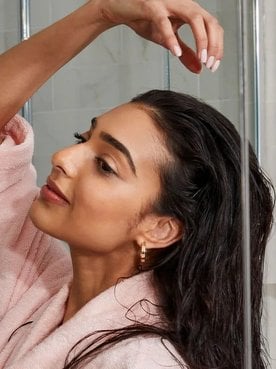
Hydration doesn't last long if it isn't sealed into the hair. After washing, apply a lightweight leave-in night cream or hair serum through the mid-lengths and ends. This creates a protective layer that helps your hair stay moisturized throughout the day.
Learning how to hydrate hair isn't only about products. Simple changes like lowering your blow dryer temperature, limiting heat styling, and drying your hair gently with a microfiber towel can dramatically reduce everyday moisture loss. Also, read our guide on The Ultimate Guide To Hydrating Dry Hair For Soft, Healthy Strands! For more insights.
Many people focus only on wash days, but everyday habits determine whether your hair stays soft between washes.
Here's how to keep hair moisturized throughout the week:
These simple habits make how to keep hair moisturized much easier without adding extra steps to your routine.
One of the biggest myths about dry hair is that you need heavy oils to keep it hydrated. In reality, hydration and oil aren't the same thing.
If you're wondering how to hydrate hair without making it look greasy, choose lightweight formulas containing ingredients like hyaluronic acid or glycerin. These ingredients attract moisture without coating the hair in heavy residue.
Apply products only from the mid-lengths to the ends, use just enough for your hair type, and avoid layering multiple oils throughout the day. This keeps your hair soft, lightweight, and naturally hydrated hair looks healthier for longer.
Not every moisturizing product works the same way. Choosing the right texture depends on your hair type and level of dryness.
|
Product Type |
Best For |
Benefits |
|
Hydrating Shampoo |
Everyday dryness |
Cleanses while maintaining moisture |
|
Lightweight Conditioner |
Fine to medium hair |
Softens without weighing hair down |
|
Deep Hydrating Hair Mask |
Very dry or damaged hair |
Intensive moisture and smoother texture |
|
Leave-In Serum |
Daily protection |
Seals hydration and controls frizz |
|
Hair Oil |
Thick or coarse hair |
Helps reduce moisture loss and adds shine |
Even good products can't overcome habits that continually strip moisture. Avoid these common mistakes:
Small adjustments to your routine can make a noticeable difference in how your hair feels after every wash.
Healthy, hydrated hair isn't achieved with one miracle product, it's the result of using the right products consistently and protecting your hair from everyday moisture loss. Once you understand what your hair needs, restoring softness, shine, and manageability becomes much easier. Start with hydration-focused care, stick to a simple routine, and your hair will reward you with healthier-looking results over time.