How to Improve Hair Texture: A Step-by-Step Guide
Transform your hair, one step at a time.


Ever noticed how your hair can look smooth and glossy one minute, then suddenly feel rough, frizzy, or difficult to style the next? That's because hair texture isn't static. Everything from heat styling and coloring to weather changes and daily habits can affect how your hair looks and feels.
The good news is that if you're wondering how to improve hair texture, you don't need an elaborate routine or dozens of products. Small, consistent changes can help your hair feel softer, smoother, and more manageable over time.
Hair texture can change due to heat styling, coloring, environmental stressors, and daily hair care habits. A consistent routine focused on cleansing, conditioning, nourishment, and protection can help improve softness and manageability. Discover the best hair care routine for healthy hair based on your specific concern, whether it's dryness, frizz, or damage.
Table of Content
Hair texture refers to the natural feel, thickness, and appearance of your hair strands. While some people naturally have fine, medium, or coarse hair, the condition of the hair can also impact how it feels.
Several factors can alter your hair texture, including:
While you can't change your natural hair type, you can absolutely improve the way your hair looks and feels.
Consistency is the key to improving your hair texture. Follow these simple steps to help your hair feel softer, smoother, and more manageable.
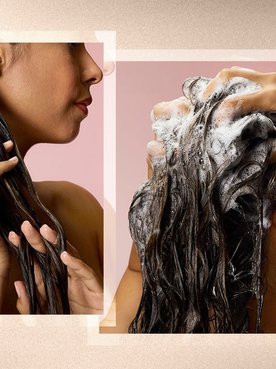
Using the right shampoo helps remove buildup without stripping away essential moisture. Look for formulas designed for your specific concern, whether that's dryness, frizz, or damage.
Conditioner helps smooth the hair cuticle, making strands softer and easier to manage. It also helps reduce friction, which can lead to breakage and frizz.
A nourishing hair mask provides deeper hydration than a regular conditioner. Weekly treatments can help improve softness and support healthier-looking hair over time.
Blow dryers, curling irons, and straighteners can contribute to dryness and roughness. Always use a heat protectant before styling and keep temperatures as low as possible.
Leave-in creams and hair serums can help smooth the hair surface, control frizz, and add shine. They also provide an extra layer of protection against daily environmental stressors.
Split ends can make hair appear rough and unhealthy. Regular trims help maintain a smoother appearance and prevent damage from traveling up the hair shaft.
The answer to how to improve hair texture isn't a single product or treatment. Consistent care, paired with the right products and healthy habits, is what delivers lasting results.
There isn't a single hair care routine for healthy hair that works for everyone. The best routine depends on your hair's biggest concern. Whether you're dealing with dryness, frizz, or damage, tailoring your routine can help improve manageability, shine, and overall hair health.
|
Hair Concern |
Recommended Routine |
L'Oréal Paris Products |
|
Dry & Dehydrated Hair |
Hydrate, nourish, and seal in moisture with every wash. Focus on preventing dryness before it becomes visible. |
● L'Oréal Paris Hyaluron Moisture 72H Moisture Filling Shampoo |
|
Frizzy & Unmanageable Hair |
Smooth the hair fiber and protect against humidity. Use lightweight products that control frizz without weighing hair down. |
● L'Oréal Paris Extraordinary Oil Shampoo |
|
Damaged & Weak Hair |
Prioritize repair-focused products that strengthen hair and reduce signs of breakage caused by heat styling and chemical treatments. |
If your hair feels rough, lacks shine, or becomes tangled easily, hydration should be your top priority. A moisture-focused hair care routine for healthy hair helps replenish lost moisture and improve softness over time.
Frizz is often a sign that the hair cuticle is raised and struggling to retain moisture. The goal is to smooth the surface of the hair while protecting it from humidity and environmental stressors.
Coloring, bleaching, and frequent styling can leave hair feeling weak and fragile. A repair-focused hair care routine for healthy hair can help improve the appearance of damage while making hair feel stronger and more manageable.
Even great products can only do so much if everyday habits continue to work against them.
Improving your hair texture isn't about chasing quick fixes, it's about building habits that support healthier-looking hair over time. With the right routine and consistent care, you can help reduce roughness, boost softness, and make your hair easier to manage. After all, great hair days usually start long before you pick up a styling tool.