How to Control Frizzy Hair: Causes, Tips & Best Haircare Routine
The only frizzy hair management plan you need
The only frizzy hair management plan you need


Hair becomes frizzy when it lacks moisture and absorbs humidity. To understand how to control frizzy hair, focus on hydration, reducing friction, and minimizing heat damage. Use a sulfate-free, moisturizing shampoo, conditioner, a weekly deep-conditioning mask, and frizz-control serum in your hair care routine. Additionally, dry hair with a microfiber towel, reduce heat styling, and switch to a silk pillowcase to prevent friction-induced frizz.
Control frizzy hair effortlessly with this practical guide that covers a detailed step-by-step routine, effective tips and techniques, and products that work for your hair.
Table Of Content
An anti-frizz serum is a lightweight hair product that helps smooth flyaways, reduce puffiness, and improve hair manageability. It forms a protective layer over the hair cuticle to control moisture absorption and humidity-related frizz.
Most anti-frizz serums are applied on damp hair before styling or on dry hair for quick smoothing and shine.
Frizz occurs when the hair cuticle lifts and absorbs moisture from the air. When your hair suffers from dryness or is damaged, it absorbs more water, causing swelling and uneven texture. A targeted frizzy hair treatment routine focusing on smoothing and sealing the cuticle is the solution. Here’s how to control frizzy hair in simple, effective steps.
Start your frizzy hair treatment with a sulfate-free, moisturizing shampoo to cleanse without removing natural oils. Harsh cleansers strip natural oils, making hair rough and frizz-prone, while a hydrating, moisturizing anti-frizz shampoo formula cleans without over-drying. For optimal frizz control, pre-treat your hair with a moisturizing coconut or olive oil before shampooing.
Conditioner is non-negotiable when managing frizzy hair. Apply a hydrating, anti-frizz conditioner to smooth the hair cuticle, reduce static, and lock in moisture.
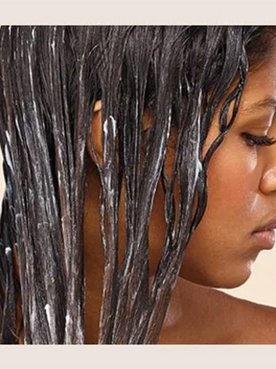
Use a hair mask once a week for intense repair
How to manage frizzy hair, you ask? Use a leave-in conditioner as it provides all-day moisture and protection, helping seal the cuticle and prevent frizz caused by dryness and humidity. It keeps hair smoother, softer, and easier to manage after washing.
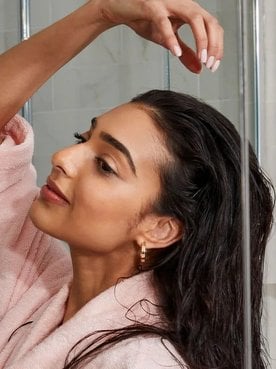
An oil serum is one of the most important frizzy hair products in your routine. It forms a barrier over the cuticle, blocking humidity and preventing puffiness. A dedicated serum for frizzy hair disciplines unruly hair, adds shine, and enhances manageability. This final sealing step enhances shine and delivers instant frizz control.
Before blow-drying, before styling, and midday touch-ups (tiny amount), as an overnight treatment (if mentioned on the product label).
Even the best frizzy hair treatment will not work if you unknowingly follow these habits:
Washing hair too frequently strips natural oils that protect and smooth the cuticle. When hair lacks moisture, it absorbs humidity from the air, leading to swelling and visible frizzy hair. If you are wondering how to control frizzy hair, stop over-washing it.
Strong cleansers can disrupt the moisture barrier, making hair rough, dry, and more prone to breakage and flyaways. For best results, choose gentle, nourishing oil shampoo formulas for frizz-free, smooth hair.
Conditioner helps seal the cuticle and restore hydration. Skipping it leaves hair porous, tangled, and difficult to manage, making it harder to achieve consistent frizz control. Make moisturizing conditioner an integral part of your frizzy hair routine.
Without a protective layer, hair remains exposed to humidity and friction, increasing frizz throughout the day. A leave-in or serum is essential for managing frizzy hair effectively.
Aggressively rubbing hair with a regular towel lifts the cuticle, causing immediate frizz and potential breakage, especially in already frizzy hair. Use a microfiber towel or cotton T-shirt, gently squeeze water out (no rubbing), and air-dry if possible.
Frequent use of hot tools without a heat protectant weakens protein structure, resulting in dryness and long-term frizz. Heat damage also reduces the effectiveness of any frizzy hair treatment. For maximum frizz protection, use anti-frizz oil serum before hair styling.
Dry brushing breaks up curl patterns, creates excess volume, and makes frizz harder to control.
Stepping out without anti-humidity support allows moisture in the air to penetrate the hair shaft, making it difficult to control frizzy hair in humid climates. Use scarves for better protection.
Using heavy styling products without occasional clarification can weigh hair down while still leaving the surface frizzy. Balanced product selection is key when choosing frizzy hair products.
Constant touching, twirling, or brushing creates friction and static, which lifts the cuticle and disturbs smoothness. Over-manipulation can quickly undo frizz control efforts and make hair appear puffier throughout the day.
Tight elastics pull on the hair shaft, causing tension, breakage, and visible flyaways. Repeated stress at the same spot can weaken strands over time, making frizzy hair harder to manage.
|
Hair Type |
Why It Frizzes |
How to Manage It |
|
Type 1: Straight Hair |
Static, buildup, heat damage, and lack of moisture cause flyaways and surface frizz. |
• Use lightweight anti-frizz products |
|
Type 2: Wavy Hair |
Dryness and lack of definition can make waves look puffy and frizzy. |
• Use hydrating shampoos |
|
Type 3: Curly Hair |
Natural oils do not spread evenly through curls, leading to dryness and halo frizz. |
• Use sulfate-free cleansers |
|
Type 4: Coily/Kinky Hair |
High moisture loss and porosity increase dryness and shrinkage. |
• Use rich creams and oils |
|
Color-Treated Hair |
Chemical damage weakens the cuticle and increases frizz. |
• Use bond-repair treatments |
Don’t let hair frizz affect your overall look. Now that you know how to control frizzy hair, focus on restoring moisture and sealing cuticles with the right frizzy hair products. Explore L’Oréal Paris’ expert guides and products designed to keep your hair sleek, hydrated, and frizz-free every day.