Hair Fall in Monsoon: Causes, Prevention, and Haircare Tips
Rainy weather can stress your scalp, but the right monsoon haircare routine can help keep hair fall under control.




Monsoon may bring relief from the heat, but it also creates the perfect environment for scalp issues, frizz, and increased shedding. If you notice more strands on your hairbrush during rainy days, you are not imagining it. Hair fall in monsoon is extremely common due to excess humidity, sweat, scalp buildup, and fungal growth that weaken the hair roots over time.
The good news? With the right scalp care, lightweight haircare products, and protective habits, you can manage seasonal shedding effectively. Whether you are dealing with hair fall in rainy season or trying to understand how to prevent hair fall in monsoon, this guide covers everything you need to know.
This guide explores the science behind seasonal shedding, a step-by-step rainy season haircare routine, and the most common mistakes making it worse, all in one place.
Table of Content
If you have been wondering, ‘is hair fall common in monsoon?’, the short answer is yes. Seasonal humidity affects both the scalp and the hair fiber, often making shedding appear more noticeable.
Here's why hair fall in monsoon becomes more common:
High moisture levels in the air make hair shafts swell and become more fragile, increasing breakage and shedding.
During monsoon, sweat and sebum mix with dirt and pollution, clogging the scalp and weakening the roots.
A damp scalp creates the ideal environment for fungal growth, itchiness, dandruff, and irritation that may contribute to hair fall in rainy season.
Hair is most vulnerable when wet. Tying wet hair, aggressive towel drying, or combing roughly can increase breakage significantly.
Changes in weather can also affect scalp balance and hair growth cycles temporarily, leading to excess hair fall in monsoon for some people.
Excess hair fall in monsoon rarely arrives alone. It usually comes packaged with a cluster of co-occurring scalp and hair issues that feed off each other.
Following a proper routine is one of the best ways to learn how to prevent hair fall in rainy season effectively.
Wash your hair regularly to remove sweat, pollution, and oil buildup. Choose purifying shampoos such as Hyaluron Pure 72H Purifying Shampoo that cleanse the scalp without over-drying the hair.
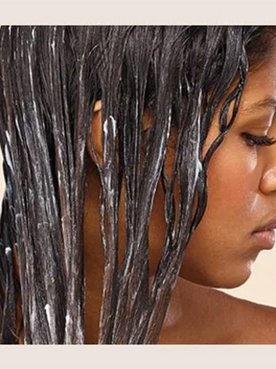
Heavy conditioners can weigh hair down during humid weather. Apply Hyaluron Pure conditioner only on the mid-lengths and ends to maintain softness without making roots greasy.
Avoid leaving your scalp damp for long periods. After getting caught in the rain, rinse your hair with clean water and dry it properly.
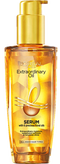
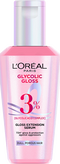
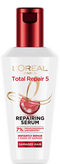
Lightweight anti-frizz serums help reduce puffiness, smooth flyaways, and protect the hair surface from humidity.
Excessive heat styling weakens already fragile monsoon hair. Limit straighteners and curling tools whenever possible.
Protein, iron, zinc, and omega-3 fatty acids help support healthier hair growth and stronger roots.
If you are searching for how to reduce hair fall in monsoon, consistently following these simple habits often makes the biggest difference.
Choosing the right ingredients can help strengthen hair while keeping the scalp balanced during humid weather.
These ingredients are commonly found in shampoos, serums, and scalp treatments formulated for hair fall in rainy season.
Sometimes, small habits make seasonal shedding worse without you realizing it.
Avoid these common mistakes:
If you often struggle with excess hair fall in monsoon, correcting these habits can help minimize unnecessary breakage and scalp stress.
Monsoon hair fall may feel frustrating, but seasonal shedding is usually manageable with the right scalp care and consistent haircare habits. Focusing on scalp hygiene, lightweight hydration, and reducing humidity-related damage can help keep hair healthier, smoother, and more manageable throughout the rainy season.