Damaged Hair Repair: The Ultimate Guide to Restore Strength and Shine
Bring damaged strands back to life with a routine that rebuilds strength and shine
Bring damaged strands back to life with a routine that rebuilds strength and shine



Damaged hair can feel dry, brittle, and difficult to manage, often caused by heat styling, chemical treatments, or environmental stress. If you are looking for effective damaged hair repair solutions, the right routine and products can help restore strength, smoothness, and overall hair health.
Damaged hair needs more than surface care, it requires a targeted, consistent routine. This guide breaks down the causes, treatments, and weekly care plan for effective damaged hair repair. Follow the right steps to restore strength, reduce breakage, and achieve healthier-looking hair over time.
Table of Content
Damaged hair occurs when the hair’s outer protective layer, known as the cuticle, becomes weakened by heat styling, chemical treatments, rough handling, or environmental exposure. This can lead to dryness, frizz, split ends, and breakage. A suitable damaged hair repair treatment can help improve hair texture, restore softness, and reduce further damage with consistent use.
Common signs of damaged hair include:
Understanding the root cause is the first step towards effective damaged hair repair.
Repairing damaged hair requires a structured and consistent routine.
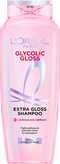
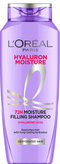
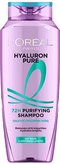
Use a damaged hair repairing shampoo that helps reinforce weak hair fibers without stripping natural oils.
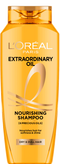
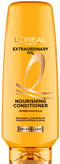
A nourishing conditioner restores hydration and smooths the cuticle, reducing frizz and tangling.
A deep-conditioning mask helps repair internal damage and improve elasticity.
Reducing heat exposure prevents further damage and supports long-term damaged hair repair.
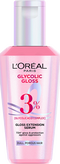
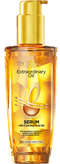
Leave-in hair serum treatments help protect hair from environmental stress and humidity.
Following this routine consistently can visibly improve hair texture and strength over time.
Damage type | Signs | Best fix | Product type |
Heat damage | Dryness, split ends, and brittle hair | Reduce heat styling and use heat protection before styling | Heat protectant serum or leave-in treatment |
Color damage | Rough texture, dryness, and breakage after coloring | Use nourishing treatments and color-safe hair care products | Bond-repair treatment, nourishing mask, and color-protect shampoo |
Friction damage | Frizz, tangles, and breakage from brushing or rubbing | Detangle gently and minimize friction while drying or sleeping | Leave-in conditioner, detangling serum, or smoothing cream |
A strengthening shampoo is designed to repair weak and damaged hair by reinforcing the hair structure. It typically contains ingredients like proteins, ceramides, or bonding actives that help rebuild and protect the hair fiber.
Benefits include:
Incorporating a strengthening cleanser is essential for effective damaged hair repair, especially for heat-damaged or chemically treated hair.
A hair mask treatment is an intensive conditioning solution that penetrates deeper into the hair shaft than regular conditioners. It delivers concentrated nourishment to repair and restore damaged strands.
Key benefits:
Hair masks play a crucial role in any damage hair repair routine by targeting damage at a deeper level.
Hair masks should ideally be applied 1-2 times a week, depending on your hair condition.
Regular use helps accelerate damaged hair repair and maintain healthier-looking hair.
A weekly hair care schedule helps manage damage through consistent cleansing, conditioning, and targeted treatments. Adjust the frequency based on your hair type, scalp needs, and level of damage.
Day 1: Cleanse and Condition
Day 2: Minimize Styling
Day 3: Deep Condition
Day 4: Protect and Maintain
Day 5: Gentle Wash Day
Day 6: Reduce Hair Stress
Day 7: Assess and Reset
Repairing damaged hair is not about quick fixes but about building a consistent and targeted routine. From using strengthening shampoos to incorporating weekly masks and reducing heat styling, each step contributes to restoring hair health.
With the right approach to damage hair repair, you can transform dry, brittle strands into smoother, stronger, and more manageable hair over time.
Use a consistent routine with strengthening shampoo, conditioner, a weekly hair mask, and suitable leave-in protection. Limiting heat styling can help prevent further damage.
The best hair treatment for damaged hair depends on its condition. A combination of conditioning products, targeted masks, and heat protection can improve softness, smoothness, and manageability.
Existing structural damage cannot be fully reversed, but appropriate hair care can improve its appearance and reduce further breakage. Severely damaged ends may need trimming.
A hair mask is generally used once or twice a week, depending on the formula and your hair's needs. Follow the product instructions to avoid over-conditioning.
A strengthening shampoo, nourishing conditioner, targeted hair mask, and leave-in serum can work together to improve the feel and appearance of damaged hair.