Salicylic Acid for Scalp: Benefits & How to Use
Clear buildup, refresh your scalp, and give your hair a healthier start with salicylic acid


If you've been dealing with a flaky, itchy, or oily scalp and scrolling through ingredient lists looking for answers, chances are you've already come across salicylic acid. Once reserved almost exclusively for acne treatments, this beta-hydroxy acid has made a confident leap into hair care, and the results speak for themselves. What does salicylic acid do for hair? This guide will give you insights into this ingredient and how to include it in your hair care routine.
From understanding the science to finding the best salicylic acid hair products, read on, because a healthier scalp starts with the right ingredient knowledge.
Salicylic acid is a go-to ingredient for oily, flaky, and buildup-prone scalps. From exfoliating dead skin to refreshing greasy roots, it helps create a cleaner, healthier scalp environment. Discover what salicylic acid does for hair, how to use it correctly, and the best ways to add it into your haircare routine.
Table Of Content
Salicylic acid is a beta-hydroxy acid (BHA) derived naturally from a willow bark. Unlike alpha-hydroxy acids (AHAs) that work on the skin's surface, salicylic acid is oil-soluble, meaning it can penetrate deep into pores and hair follicles to dissolve the build-up lurking inside.
In skincare, it's long been celebrated as an anti-acne ingredient. But in hair care, its exfoliating and anti-inflammatory properties make it a genuinely powerful ally for scalp health. Think of it as a thorough, gentle reset for your scalp, removing what doesn't belong, so your hair can thrive.
This is probably the question most people start with: what does salicylic acid do for hair, exactly? The answer lies in the ingredient's chemistry. Because it's oil-soluble, it can cut through sebum, dead skin cells, and product residue in a way that regular shampoos often can't. Here's how that translates to real, visible results when using salicylic acid for hair:
Beyond the scalp, salicylic acid for hair can also address product build-up that weighs strands down, making your hair look and feel cleaner for longer after every wash.
So, is salicylic acid good for hair that's oily, flaky, or prone to build-up? Absolutely, and here's why it works so well for common scalp concerns. For oily and congested scalps, an especially common issue in Indian weather, it's one of the most targeted ingredients available. Heat and humidity push sebum production into overdrive, and salicylic acid tackles this directly by dissolving oils and purifying the follicle. The result: a scalp that feels fresh and balanced for longer between washes.
For those dealing with dandruff, using salicylic acid for scalp care is particularly effective. It reduces the buildup of dead skin cells that form visible flakes, without stripping or irritating the scalp in the process. Gentle enough for regular use, it addresses the problem at the source rather than masking it.
Is salicylic acid good for hair that's color-treated? It can be, just choose a gentler formulation and always follow with a nourishing conditioner to maintain moisture balance along the lengths. And if you have an extremely sensitive or compromised scalp, consult a dermatologist before building it into your regular routine.
Understanding how to use salicylic acid shampoo correctly is important to avoid over-cleansing while still getting the scalp benefits.
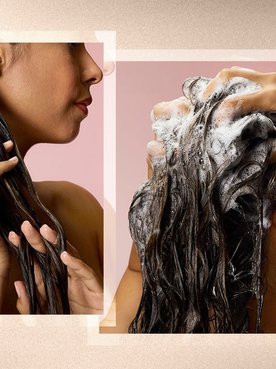
Start by fully soaking your scalp and lengths with lukewarm water to loosen buildup and oil.
Apply the shampoo directly onto the scalp rather than the lengths. Massage gently using your fingertips for 1-2 minutes.
Ensure all product is rinsed out properly to avoid residue buildup.
Because exfoliating shampoos focus on deep cleansing, pairing them with a nourishing conditioner helps maintain softness and hydration through the lengths.
Most people benefit from using salicylic acid shampoos once or twice a week depending on scalp type and oiliness levels.
L'Oréal Paris offers scalp-focused formulas designed to deeply cleanse and refresh oily or buildup-prone scalps while maintaining hair softness and manageability.
Formulated with salicylic acid + hyaluronic acid, it dissolves scalp oils, eliminates impurities and build-up, and regulates oil production, all without being harsh. Silicone-free formula delivers freshness for up to 72 hours while hyaluronic acid hydrates the lengths.
Designed to pair with the Hyaluron Pure shampoo, this conditioner also contains salicylic acid to clear any residual greasiness and build-up, while hyaluronic acid deeply rehydrates dry lengths. Solves the classic Indian hair dilemma: oily scalp with dry, dehydrated ends. Leaves hair airy, bouncy, and soft for up to 72 hours.
While primarily an anti-hair fall shampoo powered by Arginine Essence, this formulation also contains salicylic acid that helps keep the scalp clean and follicles unclogged, supporting a healthier base for hair to grow from. It delivers triple anti-hair fall action: nourishes roots, restructures the hair fiber, and strengthens hair over time.
Healthy hair starts with a balanced scalp. When used correctly, salicylic acid for hair helps reduce buildup, excess oil, and flakes for a fresher scalp feel. Pair it with the L'Oréal Paris haircare range for a cleaner, healthier-looking hair routine.