Choosing the right hair transformation starts with understanding and exploring the varied types of hair colour and hair colour highlights available today. Whether you prefer subtle dimension, bold experiment, or a classic all-over shade, there’s a colour technique tailored for every hair type, personality, and lifestyle. From classic colours to trendy highlights, this guide breaks down every hair colour style you need to know. Choose smarter, colour better, and transform your look with confidence.
In a Nutshell
Decode your perfect hair makeover in minutes. This guide breaks down all the types of hair colour highlights, trending hair colour styles, and aftercare needs to help you make an informed decision before your next salon appointment.
Table of Content
Types of Hair Colours
1. Permanent Hair Colour
- Permanent hair colour is long-lasting and penetrates deep into the hair shaft
- Excellence Crème hair color is ideal for grey coverage and dramatic colour changes
- Offers the longest wear but requires root touch-ups
- Casting Crème Gloss Ultra Visible Light Golden Brown is great for colour transformations, whether you want to subtly darken your hair, add warmth, or achieve a soft, lightened glow.
2. Semi-Permanent Hair Colour
- Semi-permanent hair colour deposits colour without ammonia or developer
- Fades gradually in 8-12 washes
- Perfect for enhancing natural tones or experimenting with subtle shades
- Works best for glossing and adding shine
3. Demi-Permanent Hair Colour
- Lasts longer than semi-permanent
- Provides natural-looking colour
- No harsh regrowth lines
- Suitable for low commitment colour blending and toning
4. Temporary / Wash-Out Colour
- Temporary hair colour rinses out in 1-2 washes
- Used for festivals, parties, and creative looks
- Available as sprays, gels, and chalks
- L'Oréal Paris Magic Retouch in the shade Dark Brown is a fun option for people who want colour without commitment
5. Bleach / Lighteners
- Used to lift the natural pigment
- Essential for blonding techniques and vibrant shades
- Requires professional handling to prevent damage
6. Henna & Botanical Colours
- Plant-based colours that stain the hair
- Provide red, brown, and burgundy tones
- Not suitable for all hair transformations and difficult to remove
These cover the most common types of hair colours, including both professional and DIY-friendly options.
Types of Hair Colour Styles
Hair colouring today goes beyond simple global shades; it includes layered, multi-dimensional, and artistic techniques. Below is a detailed breakdown of popular hair colour styles grouped into three major categories.
1. Natural / Classic Styles
- Global Hair Colour
A single colour applied from roots to ends. Gives uniform coverage and enhances natural shades. One of the simplest types of hair colour styles and great for beginners.
- Root Melt
A technique where the root area is softly blended into lighter mid-lengths. Creates a natural grow-out effect.
- Root Smudge
A slightly softer version of root touch-up melt using a toner to blur harsh lines. Ideal for seamless blonde and balayage finishes.
2. Dimensional & Trendy Styles
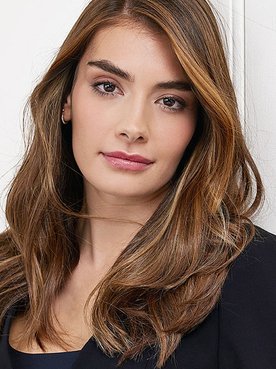
- Balayage
A freehand painting technique that creates sun-kissed, blended highlights. Low-maintenance and trendy.
- Highlights (Foil, Baby, Micro)
- Foil Highlights: Traditional method for bright, defined streaks
- Babylights: Ultra-fine highlights for a natural glow
- Microlights: Even finer than babylights, adding subtle dimension
These are among the most popular hair colour highlights today.
- Lowlights
- Darker hair were added to create depth and contrast. Perfect for balancing overly bright highlights.
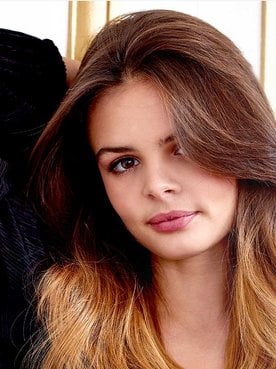
- Ombré / Sombre
- Ombré: Gradual fade from dark roots to light ends
- Sombre: A softer, more natural version of ombré
Great for people who want dramatic yet manageable hair highlights.
- Money-Piece Highlights
- Bold, face-framing streaks that brighten the front sections. Trendy and instantly refreshing.
- Peekaboo / Underlights
- Hidden pops of colour are placed under the top layer. Visible only when hair moves, a fun, playful style.
Colour Melting
- A blend of two or more tones for a smooth transition. Works beautifully on balayage and ombré bases.
3. Bold & Creative Styles
- Vivid colours: Bright shades like blue, purple, red, and green. Perfect for expressive looks.
- Pastels: Soft hues like lavender, baby pink, and mint. Typically achieved on pre-lightened hair.
- Split Dye: Half-and-half hair colour, one shade on each side. A bold, high-impact technique.
- Two-Tone / Half-and-Half: Contrasting or complementary colours applied in a striking dual pattern.
- Rainbow Blends: Multiple colours blended together for a multi-hued fantasy look. Best handled by expert colourists.
These creative types of hair colour styles are ideal for anyone wanting to make a bold statement.
Aftercare Based on Colour & Style
Your aftercare routine affects how long your colour lasts. Different styles fade differently, so here’s what you should know:
1. High-Maintenance Styles
Fade quickly and require frequent salon visits.
- Fashion colours (vivid, pastels, rainbow)
- Balayage refreshes
- Babylights and microlights
- Platinum blonde
- Split dyes
Tip: Use sulfate-free, colour-protect shampoos and regular toners.
2. Low-Maintenance Styles
Grow out naturally with minimal upkeep.
- Root melt and root smudge
- Lowlights
- Sombre
- Global dark shades
- Peekaboo highlights
Tip: Deep condition regularly to maintain shine and dimension.
3. General Aftercare Tips
- Avoid excessive heat styling
- Use UV and pollution protection sprays
- Schedule routine glossing treatments
- Wash hair less frequently to preserve colour
- Use colour-safe masks weekly
Aftercare plays a major role in maintaining the vibrancy and longevity of all types of hair colour highlights and colour styles.
So, what are you waiting for? Equipped with all the information on different types of hair colors and different types of highlights, it’s time to select one and breathe a new, vibrant life into your hair.
Browse through the vast L’Oréal Paris Hair Color range and try our Hair Color Try-on tool to find the best hair color match. Want to know more about safe hair color shades? Read our guide on hair color without bleach and ammonia options and transform your look without causing any damage.