Let’s face it—dark spots and skin discoloration, the hallmark signs of hyperpigmentation, can be frustrating to manage. While some occur due to sun exposure or medication, others stem from the stubborn marks left behind by acne, picking, or injury. Hence, before trying every remedy, pause and ask: Are you addressing the real cause of hyperpigmentation, are you using the right ingredients for hyperpigmentation, and pairing them correctly? The knowledge is key in deciding the best treatment for hyperpigmentation.
So, if you are wondering how to reduce hyperpigmentation effectively, this complete guide covers it all. From what is hyperpigmentation, its types, causes, to reduction methods with the best ingredients for hyperpigmentation, get all the information you need.
What Is Hyperpigmentation?
Hyperpigmentation is a common skin condition where certain areas become darker than the surrounding skin, appearing as brown, black, gray, red, or pink spots or patches.
What Are the Causes of Hyperpigmentation?
Sun exposure, hormonal changes, skin injuries, certain medications, and medical conditions can all trigger dark spots.
What Are the Types of Hyperpigmentation?
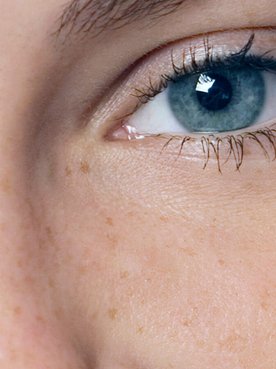
- Freckles: Small tan/brown spots, worsened by sun.
- Age spots: Larger sun-induced brown spots on exposed areas.
- Melasma: Irregular dark facial patches, often hormone-related.
- Post-Inflammatory Hyperpigmentation (PIH): Marks after acne or injuries.
- Maturational Hyperpigmentation: Gradual darkening, common in deeper skin tones.
- Periorbital Hyperpigmentation: Dark circles around eyes.
- Acanthosis Nigricans: Dark velvety patches in skin folds, linked to insulin resistance.
How to Reduce Hyperpigmentation?
- Sun Protection: Daily sunscreen with broad-spectrum SPF 30+ or higher. Wear hats, and protective clothing.
- Topical Ingredients: Glycolic acid, vitamin C, niacinamide, retinol, azelaic acid, kojic acid, arbutin, Melasyl™.
- Skincare Routine: Exfoliating cleansers, anti-dark spot serums, eye serums, SPF day cream, night cream.
- Avoid Picking: Prevents inflammation and dark patches.
- Professional Treatments: Chemical peels, laser therapy for stubborn spots.
What Is Hyperpigmentation?
Hyperpigmentation (Hyper = more, pigment = color) refers to a common skin condition where some areas of the skin become darker than the surrounding skin tone. It appears as brown, black, gray, red, or pink spots or patches.
What Are the Causes of Hyperpigmentation?
Here are the common causes of hyperpigmentation:
- Sun exposure/UV radiation stimulates melanocytes, increasing melanin and causing age spots, freckles, PIH, or melasma.
- Hormonal changes from pregnancy, birth control, or hormone therapy can trigger hyperpigmentation.
- Other causes of dark spots include skin injury or inflammation from acne, cuts, burns, or eczema.
- Certain drugs or chemotherapy can increase sun sensitivity and cause pigmentation changes.
- Medical conditions such as Addison’s disease, thyroid disorders, or metabolic issues may lead to hyperpigmentation.
What Are the Types of Hyperpigmentation?
Wondering what are the types of hyperpigmentation? Let’s find out!
- Freckles or Ephelides: Small tan or brown spots appearing in childhood, darkening with sun exposure.
- Age spots (Solar Lentigines): Larger spots than freckles. Tan to dark brown spots caused by years of sun exposure often appearing on the face, chest, forearms, and hands.
- Melasma: Irregular dark patches on the face, common in women in their 20s or 30s. This type of hyperpigmentation can develop due to sun exposure or hormonal changes.
- Post-Inflammatory Hyperpigmentation (PIH): Dark marks left after acne, burns, or skin injuries or inflammation.
- Maturational Hyperpigmentation: Gradual darkening of sun-exposed areas due to chronic sun exposure and metabolic disease. It is more common in deeper skin tones and affects primarily the side of the face.
- Periorbital Hyperpigmentation or Dark Circles: It appears around the eyes, influenced by heredity, excessive pigmentation, etc.
- Acanthosis Nigricans: Velvety dark patches in folds such as the neck or armpits. Common in people with insulin resistance or type 2 diabetes.
How to Reduce Hyperpigmentation?
Now that you know what is hyperpigmentation and causes, let’s learn how to reduce hyperpigmentation.
1. Sun Protection
Use broad-spectrum sunscreen (SPF 30+ or higher) daily, reapply after 3 – 4 hours, and more frequently if you sweat or go for a swim. Wear hats and protective clothing to prevent excess melanin production and dark patches formation.
2. Topical Ingredients for Hyperpigmentation Treatment
Check out the list of ingredients for hyperpigmentation treatment and add it to your skincare routine as per your skin’s tolerance:
-
Glycolic Acid
Wondering how to reduce hyperpigmentation? Try glycolic acid as it is one of the most effective ingredients for hyperpigmentation. It speeds cell renewal, clears melanin build-up, and fades dark spots and boost radiance. Found in serums, cleansers, and creams. Prevent dull pigmented skin with a glycolic acid-focused skincare routine.
-
Vitamin C
Among the best ingredients for hyperpigmentation, vitamin C slows melanin production, fades spots, and boosts collagen. Use daily in serums or moisturizers.
-
Niacinamide
Niacinamide, a vitamin B3 derivative, is a key ingredient for hyperpigmentation that blocks melanosome transfer to reduce dark spots and sun damage. Use daily for visible results.
-
Retinol
Retinol is a top ingredient for hyperpigmentation, boosting cell turnover to fade dark spots, sun spots, and age spots. Apply retinol at night.
-
Azelaic Acid
Safe even in pregnancy, azelaic acid is a gentle yet effective ingredient for hyperpigmentation. It tackles melasma and inflammation, showing clear results when used regularly at night.
-
Kojic Acid
Derived from fungi, kojic acid is a natural ingredient for hyperpigmentation that fades sun-induced spots and evens skin tone. Include this organic acid in your skincare to notice visible results. Pro tip: People with certain skin conditions or allergies or with sensitive skin must use kojic acid cautiously.
-
Arbutin
Plant-based arbutin is a star ingredient for hyperpigmentation that controls melanin and brightens skin. Gentle and available in face serum, moisturizers, toners, and masks. Use it twice a day, depending on the product you choose.
-
MelasylTM
MelasylTM is a patented active by L’Oréal Paris that helps target localised pigmentation like dark spots, age spots, and post-acne marks for a spotless appearance. Suitable for all Indian skin types and tones.
3. Skincare Routine for Hyperpigmentation
Put an end to your quest on how to treat hyperpigmentation and follow the skincare routine to reduce the appearance of dark patches on your skin:
- Exfoliating Cleanser: To increase the cell turnover process and maintain an even complexion.
- Anti-dark Spot Serum: To reduce sunspots, age spots, and acne marks.
- Anti-dark Circle Eye Serum: To reduce dark circles in no time.
- SPF Day Cream: Reduces dark spots and shields the skin from harmful UV rays to unveil bright skin.
- Night Cream: It helps increase cell renewal, removes melanin, and reduces the appearance of hyperpigmentation.
4. Avoid Picking
How to reduce hyperpigmentation, you ask? Avoid picking pimples as it can trigger inflammation and lead to dark patch formation.
5. Professional Treatments
In case of stubborn marks, you may be advised to opt for professional treatments like chemical peels, laser therapy, etc.
Now that you have the answer to the query how to reduce hyperpigmentation, you can say goodbye to dark spots and skin discoloration. Need help with your skincare routine? Head towards the L’Oréal Paris Skin Genius tool, and create your personalised skincare routine after analysing your skin like a pro.
Frequently Asked Questions
1. What is the main cause of hyperpigmentation?
Dark patches or hyperpigmentation result from excess melanin production. Your body gets the zeal to produce more melanin when it is overly exposed to the sun, radiation, or a hormonal imbalance. The more melanin your body generates, the darker your skin becomes.
2. What is the best combination for hyperpigmentation?
The best combination for hyperpigmentation is as follows: Retinol and vitamin C (Use retinol at night and vitamin C in the morning for best results. Use Vitamin C and Alpha Hydroxy Acids (AHAs), maintaining a time gap to avoid negative reactions. Don’t pair retinol and AHAs at the same time, as it might cause dryness and irritation.
3. How do you fix hyperpigmentation?
Hyperpigmentation can be treated with a targeted care. Apply sunscreen daily, reapply every 3 – 4 hours, and use products designed to address hyperpigmentation. Use ingredients like retinol, vitamin C, niacinamide, and azelaic acid to fade away dark spots. You can consider opting for chemical peels or laser therapy to target stubborn pigmentation.
4. How long does it take hyperpigmentation to go away?
It depends on its type of hyperpigmentation (freckles, melasma, age spots, post-inflammatory hyperpigmentation (PIH) and its severity. Mild sunspots or freckles may improve in weeks, while acne scars or melasma can take months. Consistent sun protection and proper skincare are key to achieving visible results.
5. Is sunscreen good for hyperpigmentation?
Yes, using broad-spectrum sunscreen (SPF 30+ or higher) daily is essential. Sunscreen prevents UV damage, stops existing dark spots from darkening, and averts further development, making it a crucial part of any treatment routine.
More From Our Classic Brands
Keep Your Skin Happy
-
10 Tips To Look Stunning Without Makeup
-
Can You Use Glycolic Acid And Retinol Together? Let’s Find Out
-
Dark Spots 101: Everything You Need to Know Dark Spots, Causes, Types, & Solutions
-
10 Essential Skincare Tips For Flawless Skin
-
Everything You Need To Know About Glycolic Acid For Skin - Benefits, Usage, How To Use
-
7 Days Glowing Skin Challenge: A Simple Routine for Healthy, Radiant Glow
-
Is Your Skin pH Balanced? Here’s How To Find Out
-
Get Back Your Glow with These 5 Homemade Honey Face Mask Recipes!