Benefits of Hyaluronic Acid & Its Role in Our Body
- Retains moisture to keep skin plump and hydrated
- Lubricates joints and reduces stiffness
- Speeds up wound healing and tissue repair
- Supports healthy, clear vision by hydrating the eyes
- Improves skin elasticity and smoothness
Dietary Sources of Hyaluronic Acid
Magnesium, phytoestrogen, and antioxidant-rich fruits and veggies are excellent food source of hyaluronic acid, helping boost its levels naturally and supporting healthier skin and joints.
Plant-Based Sources
- Vegetables: Food source of hyaluronic acid include spinach, kale, sweet potatoes, and soy, all of which help boost natural hyaluronic acid levels in the body for better skin hydration and joint health.
- Fruits: Citrus, avocado, and berries support hydration and skin health.
Animal-Based Sources
Animal-based foods naturally boost or support hyaluronic acid levels in the body.
- Bone broth: Rich natural source of hyaluronic acid
- Chicken skin & cartilage: Boosts skin elasticity and joint health
- Eggs: Support HA synthesis with essential nutrients
- Fish: Provide omega-3s to enhance skin hydration
How to Include Hyaluronic Acid in Your Skincare
- Use a hyaluronic acid serum for deep hydration
- Seal with a moisturiser to lock in moisture
- Apply to damp skin for better absorption
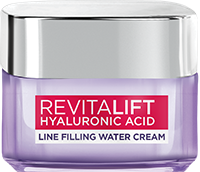
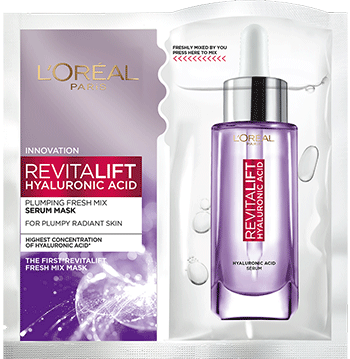
- Add a hyaluronic acid sheet mask for an extra boost
- Pair with vitamin C, retinol, or peptides for anti-ageing benefits
Benefits of Hyaluronic Acid & Its Role in Our Body
Hyaluronic acid is often associated with skincare serums and treatments, but its benefits go far beyond topical applications. It is found in connective tissues, skin, and eyes, making it essential for overall health.
Key Benefits:
- Hydration: Retains up to 1,000 times its weight in water, keeping skin plump and moisturised.
- Joint Support: Provides lubrication to joints and reduces stiffness.
- Wound Healing: Accelerates tissue repair and regeneration.
- Eye Health: Maintains moisture in the eyes and supports vision.
Clearly, hyaluronic acid is more than a skincare buzzword; it is vital for well-being. Incorporating sources of hyaluronic acid through diet helps support these natural processes internally.
Read our guide on Hyaluronic Acid Benefits For Skin: Here’s Everything You Need To Know for more thoughtful tips and insights.
Dietary Sources of Hyaluronic Acid
Food plays a powerful role in boosting natural hyaluronic acid levels. While there is no single ‘magic’ food source of hyaluronic acid, many nutrient-rich options can stimulate its production or directly provide the compounds required for its synthesis.
Plant-Based Sources
Fruits and vegetables rich in magnesium, phytoestrogens, and antioxidants are excellent foods high in hyaluronic acid, or help the body produce more of it.
Vegetables:
- Leafy greens (Spinach, Kale, Collard greens): Packed with magnesium, they help the body produce enzymes required for hyaluronic acid synthesis.
- Sweet potatoes: A good source of magnesium and antioxidants, supporting both skin and joint health.
- Soy-based foods (Tofu, Edamame): Contain phytoestrogens that may enhance natural hyaluronic acid production.
Fruits:
- Citrus fruits (Oranges, Grapefruit, Lemons): High in vitamin C, crucial for collagen and hyaluronic acid production.
- Avocado: Rich in healthy fats and magnesium, promoting skin hydration.
- Berries (Blueberries, Raspberries): Loaded with antioxidants that protect hyaluronic acid from breaking down.
These options highlight that different sources of hyaluronic acid from plants can work synergistically to improve skin and body health.
Animal-Based Sources
Certain animal-based foods are natural or indirect sources of hyaluronic acid and can significantly benefit the body.
- Bone broth: It is, perhaps, the richest food source of hyaluronic acid, derived from simmering bones and connective tissue.
- Chicken skin and cartilage: Contains natural hyaluronic acid, beneficial for skin elasticity and joint health.
- Eggs: The yolk provides essential nutrients that support the synthesis of hyaluronic acid.
- Fish (Mackerel, Salmon): Rich in omega-3 fatty acids and magnesium, they improve skin hydration and complement hyaluronic acid levels.
Including these animal-based options ensures your diet has a balance of foods high in hyaluronic acid from diverse sources.
How to Include Hyaluronic Acid in Your Skincare
While diet plays a significant role, topical application of hyaluronic acid remains one of the most effective ways to directly hydrate the skin. Here’s how you can integrate it into your skincare routine:
Cleanser
Start with a gentle, hydrating cleanser to remove dirt, oil, and impurities without stripping your skin’s natural moisture. Prepping with a clean base ensures better absorption of hyaluronic acid.